Where to Find a Free Quilt Block Pattern

Where to Find a Free Quilt Block Pattern

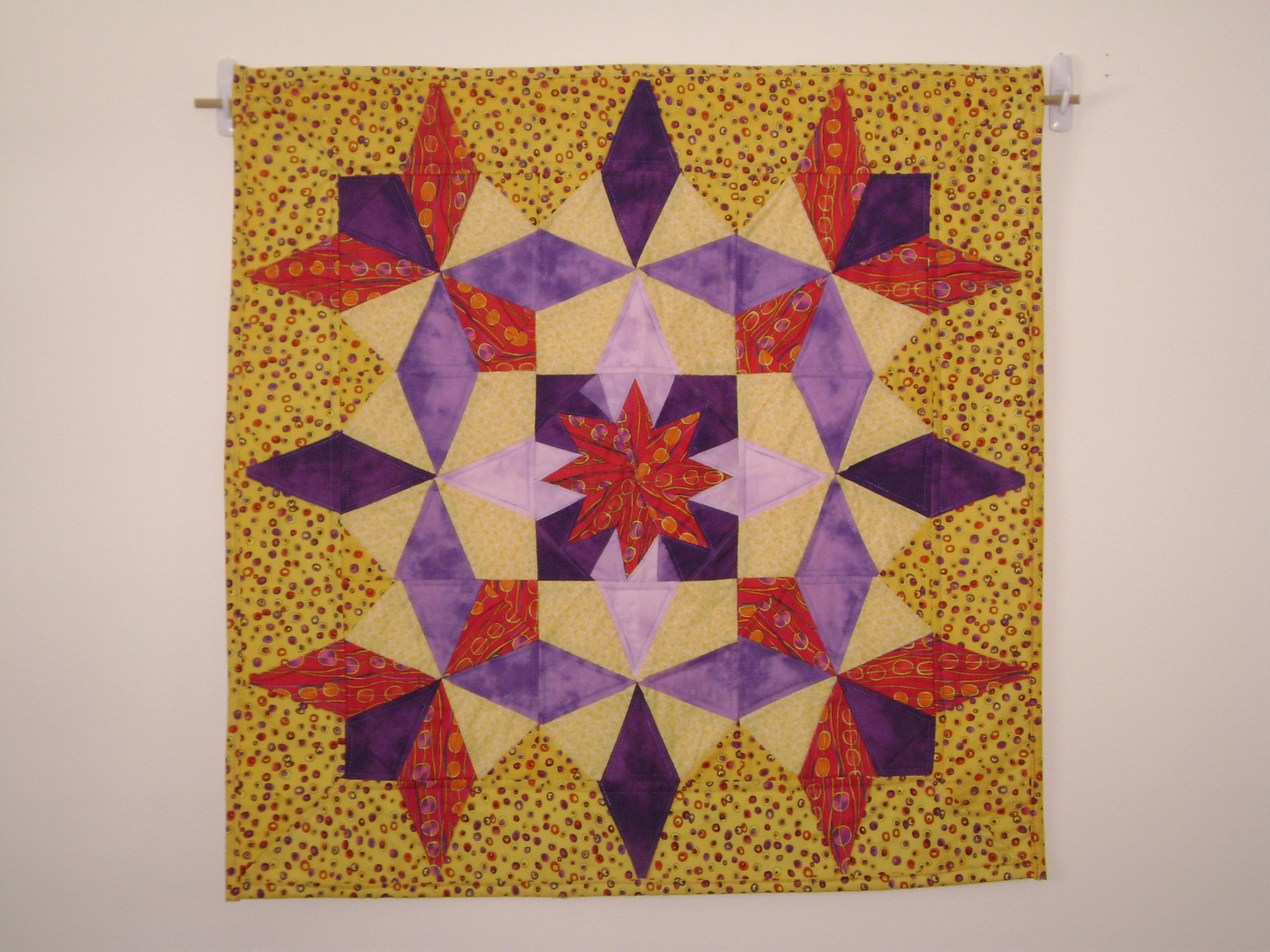
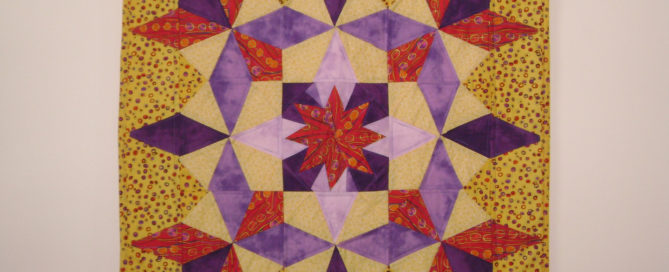
Coming up with a great free quilt block pattern idea can certainly not always the be the easiest thing, but with a few helpful tips you will be well on your way and able to choose the perfect free quilt block pattern. First and foremost, you are going to need to figure out what sort of theme you are looking for.
Maybe you have a friend or family member who is going to be having a baby soon and so you want to make a baby quilt, or perhaps you would like to stick with more of a theme and go with a Halloween or Christmas pattern.

No matter which particular free quilt block pattern you are looking for, there are a few companies that you will want to become more familiar with, and which you can always trust to go through when you are looking for a free quilt block pattern.

Free Quilt Patterns

This is one company that you will definitely want to check out if you are looking for free quilting patterns of any sort. No matter what theme or size of quilting pattern you are looking for, you will be able to find it here and free to boot.

This means that you never have to worry about spending a fortune just to get the pattern that you are looking for, which will be especially important if you quilt for a living and need to make as much money as possible and would have to constantly be buying patterns.

BlockCentral

This is another company you can go through for a great free quilt block pattern selection. They are actually one of the best known companies of their kind, and one that is definitely worth you taking the time to check out. They are available online and you can browse through their entire selection here.

Remember, these are just a few ideas of the many different companies that are available and offering free quilting patterns so take a bit of time and see what else is out there as well. Another great idea is for you to ask around to your family and friends, see what quilting patterns they have tried out and which they enjoyed.

This is also a great idea because then you can check out the completed project and see what it is really going to look like in the end and whether you want to do it or not.
By |2026-10-29T13:07:19+00:00May 8, 2026|Blog|0 Comments

Measure twice and cut once

<h1> A variety of measuring implements will help you getting the job done</h1>


I am sure you have heard the old adage “Measure twice, cut once.” This statement usually applies to cutting wood, but it can be applied to any craft where accuracy is necessary – and it certainly applies to sewing – and that’s where sewing measuring tools come into play. Sewing measuring tools are designed to help you measure your fabric so that you can make an accurate cut, helping you avoid wasting material, as well as helping you to create perfect garments. If you are new to sewing, you may not be aware that there are actually several types of measuring tools for sewing. In order to gain a little background information about the different types of measuring tools that are available, please read on.tape measure

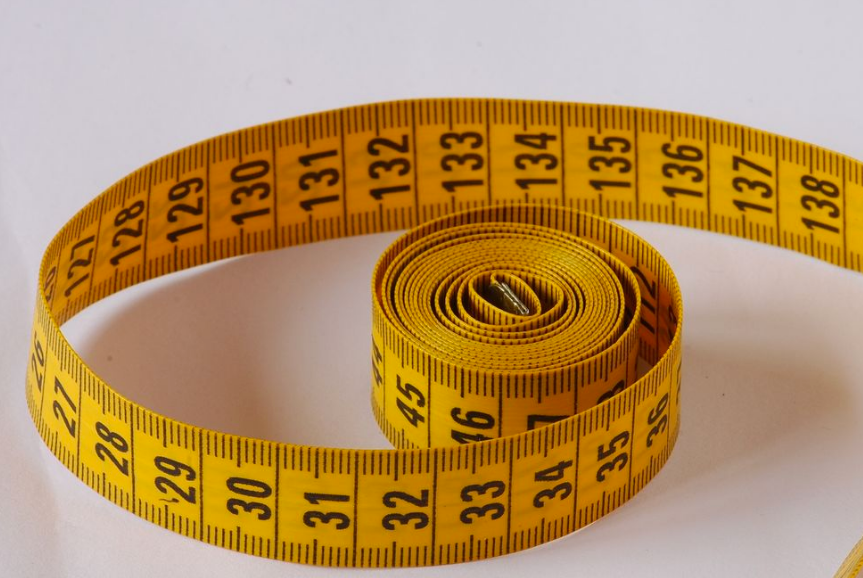
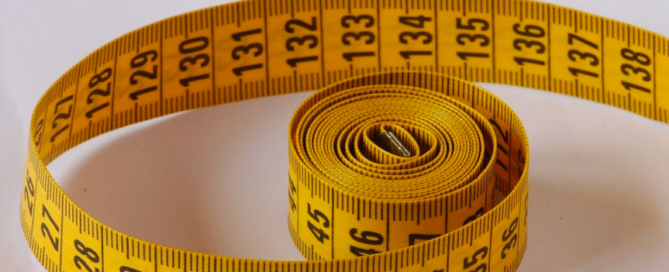
Tape Measure. Even if you are just starting out sewing, I am sure you are aware that a tape measure is one of the most commonly used measuring tools in sewing. A tape measure is a really handy device. It is a ruler that is made of cloth or plastic, making them flexible and easy to manipulate. They typically run 60-inches in length, but they can be found in longer lengths. These measuring tools are great to use for measuring around things, like arms, legs, waists, busts and so forth. A measuring tape can be used to measure a variety of things, from hems to window curtains. Every sewer should absolutely have a tape measure handy in her box of sewing tools.

A Basic Ruler. A basic ruler is another measuring tool that comes in handy for a sewer. A standard 12 or 18 inch ruler, made of plastic, wood or metal can not only be used for measuring, but it can also be used to create a straight edge on fabric. These measuring tools can certainly be used for sewing garments, such as shirts, pants and dresses, but they are particularly useful when sewing quilts, as they allow you to create those straight edges that are so essential in quilting.

Sewing Gauge. A sewing gauge is another really useful measuring tool for the sewer. This tool is a 6 inch ruler that has a sliding marker along the side of it, as well as notches. You can set the marker on the side of the sewing gauge at the desired width of whatever it is that you want to cut and use it to make sure that what you are cutting remains even all the way around. This measuring tool is most useful for creating hems, pleats and buttonholes. They are marked in inches on one side an centimeters on the other, making them useful for all sewers.

The Hem Marker. If you are planning on sewing skirts, dresses or pants often, then you are going to want to add a hem marker to your sewing supply list. A hem marker is a handy measuring tool that, as the name suggests, is used to measure hems. The hem marker is placed on the floor, where it stands up, and the person who the garment is being made for or hemmed for stands next to it. The hem marker places a chalk mark on the fabric where the hem should be placed, allowing the sewer to see exactly where the hem should be made.sewing rulers

Accuracy is one of the keys to success when sewing. If you want to make garments that are neat and professional looking, then you are going to want to add these sewing measuring tools to your supply of sewing tools. Each and every one of them will prove to be useful, no matter what type of sewing you plan on doing.

measuring tools for sewing, sewing measuring tools, types of sewing measuring tools

By |2026-10-29T13:07:27+00:00March 5, 2026|Blog|1 Comment

Knots are important to sewing.

Knots are important to sewing.

Knots are used everyday, in many different ways. Knots hold boats to docks, shoes on feet and just generally keep things in place. Sewing machines typically make knots irrelevant thanks to backstitching. There are some items that require hand sewing and if you do not know how to tie a simple knot, you will not be able to keep the stitches from coming undone. If the stitches come undone, all of the effort that you put into the project will be for nothing and you will either have to do the stitches all over again or give up on the project all together, neither of which will be fun. Knots are an essential part of hand stitching and embroidery. If you take the time to learn the simple knots, you can be sure that your projects look professionally finished and are well crafted. When stitches come undone, it can be a very irritating situation, but tying a knot does not have to be difficult.

There are two different types of knots that are used when you are sewing by hand. The starter knot is a simple knot that simply keeps the fabric from going completely through the fabric when you are first starting to sew. The starter knot can be made by making a circle at the end of the thread that you are going to be using for the sewing project. You will then put the threaded needle through the center of the circle and pull it through. This could create a teeny, tiny knot at the end of the thread. Once the knot is made, you can then begin to sew. If you notice that the knot is so small that it travels through the fabric when you start to sew, you may want to do the process again. This will make the knot larger and help to prevent it from traveling through the fabric.

After you have finished sewing, you will need to close the stitch with a knot. The knot at the end of the stitch is very important because it will keep the stitches from coming undone. To make a finishing knot, you first need to find the last stitch of your sewing. Take the needle and carefully run the needle under the thread of the last stitch, but over the fabric. The needle will be sandwiched between the two. Pull the needle through and stop with about an inch of thread not pulled through. You then want to take your needle and put it through the loop that has formed. This will create a knot that will keep the stitches from coming undone. Many people choose to do a few closing knots at the end of their stitches to insure that the knots do not come undone and the stitching ruined. This is a quick and easy way to insure that you are able to quickly and easily finish any hand-sewing job and know that it is going to stay together and not fall apart within a few uses.

By |2026-10-29T13:06:31+00:00September 5, 2025|Blog|0 Comments
Go to Top